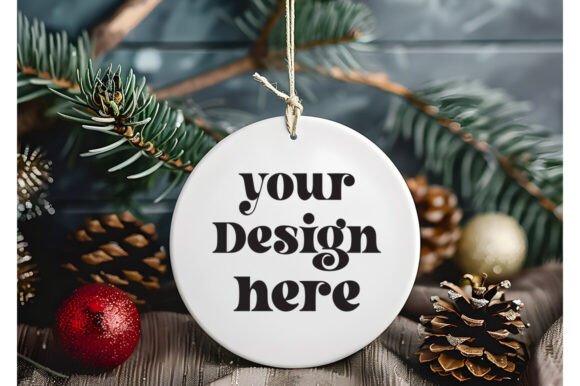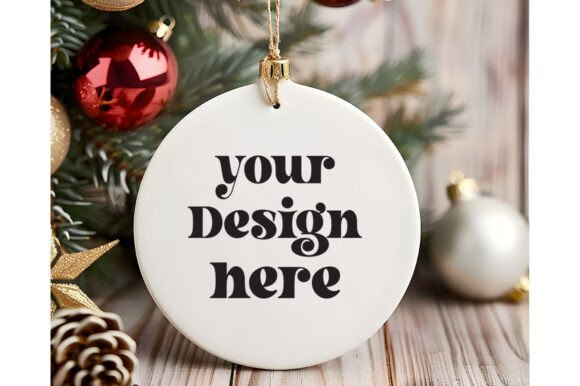
Round Christmas Ornament Mockup 97: Graphics & Product Mockups
As a digital publisher who spends half my life tweaking pixel-perfect layouts for high-traffic blogs, I know that the difference between a scroll-past and a click often comes down to one thing: visual credibility. When I first opened the files for Round Christmas Ornament Mockup 97, my immediate reaction wasn't just about the holiday spirit; it was about editorial utility. This isn't merely a festive decoration; it is a strategic graphic design asset designed to elevate how we present seasonal content to our audiences.
The first impression this mockup creates is undeniably lifestyle-focused yet polished. It strikes a balance between cozy nostalgia and modern web design aesthetics. For bloggers and content creators, the mood it sets is warm and inviting, which is crucial during the Q4 shopping season when reader trust is paramount. Whether you are running an affiliate marketing site promoting holiday gifts or an educational platform sharing DIY crafts, the visual language here speaks of quality. It feels decorative without being cluttered, making it an ideal candidate for niches that rely on strong brand identity and emotional connection.
Elevating Editorial Layouts and Blog Graphics
In the real world of content publishing, we rarely use assets in isolation. We need them to work hard across multiple touchpoints. Round Christmas Ornament Mockup 97 shines brightest when integrated into a comprehensive editorial design strategy. Imagine preparing your blog's featured images for a series on "Top Holiday Gifts for Designers." Instead of a flat product shot, you place your design onto this realistic ornament. The result is a website header or hero image that instantly grabs attention.
The versatility extends far beyond the blog roll. This asset is a powerhouse for creating high-converting Pinterest pins. Pinterest is a visual search engine where vertical graphics rule, and the spherical nature of this ornament provides a unique focal point that breaks up the grid of rectangular images. You can also leverage it for:
- Newsletter Headers: Add a festive touch to your email campaigns without overwhelming the message.
- Digital Guides and eBooks: Use the mockup on the cover of a holiday-themed digital download to increase perceived value.
- Social Media Graphics: Create cohesive Instagram stories or Facebook posts that align with your site's aesthetic.
- Lead Magnets: Design eye-catching worksheets or checklists that users want to download immediately.
- Affiliate Content Visuals: Showcase products in a context that feels authentic rather than salesy.
By using this mockup, you aren't just decorating; you are establishing a clearer visual hierarchy. The ornament acts as a natural anchor for the eye, guiding the reader to your headline or call-to-action. This leads to better click-through potential and a more professional-looking content page.
Strategic Placement for Maximum Impact
Where does this asset work best? In my experience, it excels as a hero image for seasonal landing pages or as a category thumbnail for your "Holiday Shop" section. It adds a layer of depth to blog graphics that flat designs simply cannot achieve. When used in media kits or pitch decks for potential sponsors, it signals that your publication pays attention to detail and invests in high-quality design assets.
However, a seasoned publisher knows that every tool has its limits. You should use Round Christmas Ornament Mockup 97 carefully in specific scenarios. For instance, avoid using it in small mobile thumbnails where the intricate details of the sphere might get lost or pixelated. It is also not ideal for text-heavy blog images; the curvature of the ornament can distort legibility if you try to overlay too much copy. Furthermore, if your niche is strictly corporate or requires a very minimal, sterile visual system, this decorative element might feel out of place. Always ensure there is sufficient contrast against your background to maintain readability.
Practical Notes for Publishers and Designers
Before you integrate this into your live workflow, there are several practical steps to take. First, test the asset on both desktop and mobile screens. What looks stunning on a 27-inch monitor might lose its impact on a smartphone. Check how it performs as a thumbnail in your archive pages. Preview it inside your actual blog layout to ensure it doesn't clash with your sidebar or navigation elements.
Typography pairing is another critical factor. Try placing the mockup beside various font styles to see what resonates with your audience:
- Serif Fonts: For a classic, editorial look that exudes authority.
- Sans Serif Fonts: For a modern, clean aesthetic that feels approachable.
- Script Fonts: To enhance the handwritten, personal feel of the holidays.
- Display Fonts: For bold headlines that need to pop against the ornament's texture.
From a technical standpoint, always review the file size. Large, high-resolution mockups can slow down your page load times, which hurts SEO and user experience. Compress your images properly using tools like TinyPNG or Squoosh before uploading. Additionally, verify the licensing terms. Ensure you have a valid commercial license if you plan to use this on monetized websites, affiliate pages, or in paid content products like courses or templates.
Final Thoughts on Visual Communication
Ultimately, Round Christmas Ornament Mockup 97 is more than just a pretty picture; it is a tool for better storytelling. In the crowded space of content marketing, standing out requires assets that convey professionalism and creativity. Whether you are a small business owner building your brand or a creative entrepreneur launching a new Canva template pack, this mockup offers the flexibility and polish needed to succeed.
While the original description mentioned its suitability for apparel like a Christmas Sweatshirt or T-Shirt Mockup, its application in digital publishing is equally potent. It transforms standard promotional material into something that feels curated and special. By focusing on visual communication and editorial quality, you build stronger reader trust and improve category recognition. When your content looks good, people assume the information within it is valuable. That is the power of a well-chosen creative design asset in the hands of a savvy publisher.