Gildan 18000 Christmas Mockup 14: A Designer's Take
As someone who spends half their life staring at screens digitizing patterns and the other half hunched over an embroidery machine, I have a specific set of criteria when evaluating new assets. It is not just about whether a file looks pretty in a thumbnail; it is about how that design translates into thread, how it sits on fabric, and ultimately, whether it helps me sell a finished product with confidence. Recently, I took a close look at the Gildan 18000 Christmas Mockup 14. While this asset falls under the category of Product Mockups and Graphics rather than a stitch file itself, its utility for an embroidery business is surprisingly profound if you know how to leverage it.
The First Impression: Setting the Holiday Mood
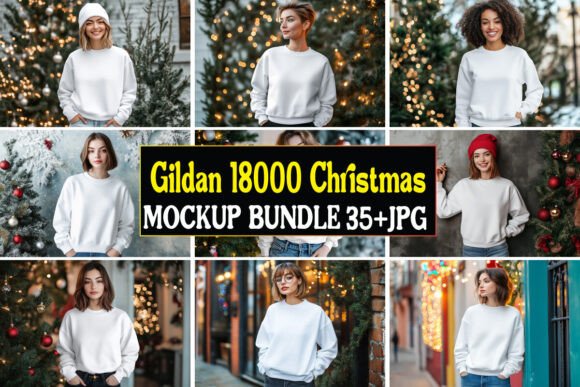
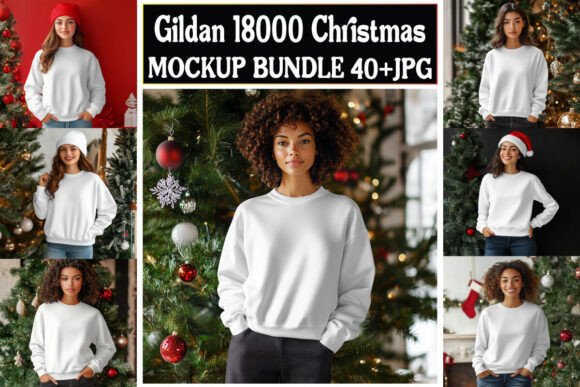
When I first opened the high-resolution JPEG included in this pack, the immediate takeaway was the authenticity of the garment representation. The mockup features the Gildan 18000, a heavy-blend crewneck sweatshirt that is a staple in the apparel decorating world. For a designer, the "mood" here is cozy, traditional, and undeniably commercial. The lighting and fabric texture rendered in the image suggest a soft, brushed interior and a sturdy exterior, which is exactly what customers expect from a premium holiday embroidery item.
Unlike some generic templates that look too sterile or digitally perfect, this mockup captures the subtle drape and weight of a real sweatshirt. This visual personality is crucial because it allows you, the creator, to visualize your machine embroidery design in a realistic context before you even hoop a piece of fabric. It bridges the gap between a digital concept and a tangible handmade product.
Real-World Application: The Custom Sweatshirt Scenario
Let's walk through a practical scenario. Imagine you are an Etsy seller preparing to launch a line of personalized family matching sets for December. You have spent hours perfecting a complex satin stitch monogram combined with a festive fill stitch holly motif. Before committing to purchasing ten blank sweatshirts and running a test batch, you need to see how these elements interact visually.
Using the Gildan 18000 Christmas Mockup 14, you can overlay your digitized artwork onto the blank, logo-free JPEG provided. This step is invaluable for checking scale and placement. Does the design look too crowded on the chest? Is the thread colors contrast sufficient against the heather grey or navy options typically associated with this garment style? By simulating the embroidery project digitally, you can make critical adjustments to your layout. Perhaps you realize that a large, dense design needs to be shifted two inches higher to account for the natural curl of the sweatshirt's bottom hem when worn. This kind of foresight saves money on wasted blanks and prevents customer returns due to poor placement.
Visual Appeal and Customer Trust
In the world of online sales, particularly for small shop products, perception is reality. Customers cannot touch the fabric or feel the stitch quality through a screen. They rely entirely on the images you present. A high-quality mockup like this enhances the perceived value of your custom apparel. When a buyer sees your intricate applique design displayed on a realistic, textured sweatshirt rather than a flat white background, they subconsciously attribute higher quality to the item.
This affects brand consistency and buyer engagement significantly. If your shop specializes in boutique branding, using a consistent mockup style across all your listings creates a professional storefront. It tells the customer that you pay attention to details. Furthermore, for those selling digital embroidery files, this mockup serves as an excellent tool for creating listing images. You can show potential buyers exactly what their purchased file could look like when stitched out, increasing the likelihood of a sale without needing to physically stitch every single color variation.
Technical Considerations and Fabric Reality
While the mockup is a powerful visualization tool, it is essential to remember that it is a graphic representation, not a substitute for physical testing. The Gildan 18000 is known for being a heavier, fleece-lined garment. When you move from the screen to the machine, the fabric texture presents unique challenges that a JPEG cannot fully simulate.
If you are planning to use this design concept on the actual sweatshirt depicted, you must consider stitch density. Heavy fleece requires careful management of pull and push. A design that looks crisp on the Gildan 18000 Christmas Mockup 14 might sink into the pile of a real sweatshirt if the underlay is insufficient. You need to ensure your digitizing accounts for the loft of the fabric. Additionally, curved surfaces like the shoulders or the neck ribbing can distort designs if the hoop size isn't chosen correctly or if the garment isn't stabilized properly.
For smaller items like a tote bag design or a baby embroidery project on a onesie, the principles remain similar but the stakes for precision are higher. Tiny lettering or detailed corners that appear sharp in the mockup might become a tangled mess of thread on thin or stretchy fabrics if the running stitch length isn't adjusted. Always test your design on scrap fabric of the same weight and composition as your final product. Check the back of the stitching to ensure there is no excessive buildup that could irritate the skin, especially for personalized gifts intended for infants.
Designer Notes for Commercial Success
To get the most out of this asset and ensure your final output is flawless, keep these practical tips in mind:
- Test Before Committing: Never run a production batch based solely on a digital preview. Stitch a sample on the actual Gildan 18000 blank to verify tension and registration.
- Check Contrast: Use the mockup to experiment with different thread palettes. What works on a light heather might vanish on a dark charcoal.
- Verify Licensing: While the mockup provides a blank canvas, always confirm the license terms for both the graphic asset and your embroidery design before selling commercial embroidery items or digital previews.
- Stabilizer Selection: The heavy nature of the sweatshirt often requires a cut-away stabilizer to prevent distortion over time, unlike tear-aways which might be suitable for lighter fabrics.
- Wash Testing: Products that need frequent washing, like kitchen towels or children's clothes, require robust stitching. Ensure your design holds up after multiple cycles.
The Gildan 18000 Christmas Mockup 14 is more than just a pretty picture; it is a strategic tool for the modern craft business. It allows you to refine your aesthetic, validate your design choices, and present your work with the professionalism of a large-scale retailer. However, the magic truly happens when you combine this visual planning with hands-on expertise. By respecting the limitations of the fabric and the capabilities of your machine, you can turn a simple holiday idea into a best-selling finished product that brings joy to your customers and growth to your brand.
Whether you are creating a single personalized gift for a neighbor or stocking inventory for a busy holiday season, the combination of thoughtful digitizing, proper material selection, and realistic visualization is the key to success. Use this mockup to dream big, but stitch smart.